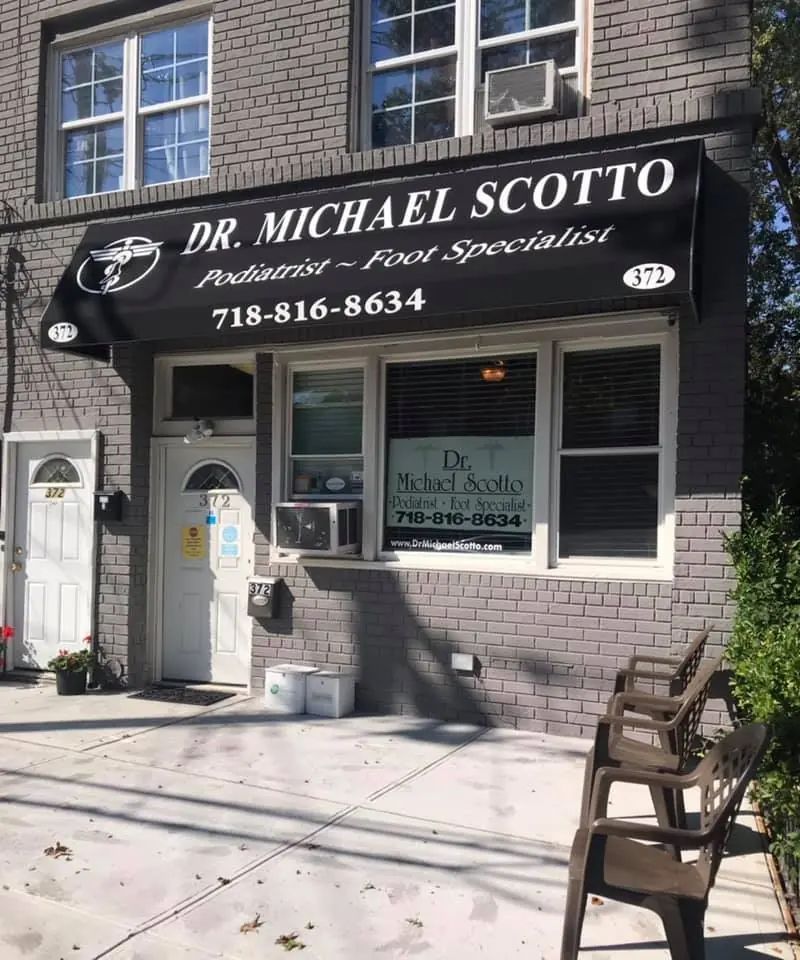
NY office
Staten Island, NY
372 Manor Road, 1st Floor
Staten Island, NY 10314
Monday, Wednesday, Thursday
Injuries
Sports injuries of the foot and ankle include sudden injuries, like a rolled ankle, and overuse problems that build up with training, like a stress fracture or heel pain. Athletes of every age and level get them. Dr. Scotto treats sports-related foot and ankle injuries at his offices in Staten Island, NY and Tinton Falls, NJ.
This page gives an overview of the foot and ankle problems that most often come from sports and exercise. Several of them have their own pages with more detail, linked below.
Sports put the feet through running, jumping, cutting and sudden stops. Some injuries happen in a single moment. Others creep up as training adds stress faster than the body can adapt.
Many sports injuries trace back to a few common factors:
Young athletes whose bones are still growing can develop heel pain where the growth plate meets the Achilles tendon. Older athletes may find that tendons are slower to recover.
Rest and simple home care can ease minor aches. But pain that keeps coming back, pain that makes you limp, or pain that is worse each time you train is a reason to be examined. Catching an overuse injury early can mean a shorter break from your sport.
Stop playing and get prompt care if:
For a fresh injury, the office offers same-day appointments.
Dr. Scotto asks about your sport, how often and how hard you train, any recent changes, your shoes and when the pain started. He examines the foot and ankle, checks strength, flexibility and joint motion, and watches how you stand and walk. Bringing the shoes you train in can be helpful.
When a broken bone or stress fracture is possible, a digital x-ray can be taken on premises at either office during the same visit. Keep in mind that early stress fractures may not show on the first x-ray.
Most sports injuries of the foot and ankle are treated without surgery. Care is matched to the injury, but the general goals are the same: calm the pain, let the tissue heal, fix what led to the injury, and return to sport safely.
Surgery is reserved for certain injuries, such as some fractures, tendon ruptures or ankles that stay unstable. Dr. Scotto will explain if it is worth considering. More is on the foot surgery page.
Timing depends on the injury, your sport and how you heal, so it is decided case by case. In general, a safe return happens in stages. First you should be able to walk without pain or a limp. Then you build up to light jogging, then faster running, then jumping, cutting and sport drills. If pain returns at any stage, it is a sign to step back. Rushing back is one of the most common reasons an injury comes back.
Dr. Scotto offers telehealth visits for patients in New York and New Jersey. A new sports injury usually needs a physical exam and sometimes an x-ray, so it should be seen in person first.
FAQ
Mild soreness after a hard workout is common and usually fades quickly. Pain that changes how you run or walk, gets worse during activity, or is still there the next day is a sign to stop and have it checked.
A podiatrist focuses on the foot and ankle, which is where many sports injuries happen. Dr. Scotto can examine the injury, take a digital x-ray on site and build a plan. The article on podiatrists and orthopedists explains the difference.
It depends on the injury and how your body heals, so there is no single answer. The general rule is to return in steps, once you can walk, then jog, then do sport-specific moves without pain or limping.
They can contribute. Worn-out shoes, shoes that do not fit, or shoes not made for your sport can change how force moves through the foot. The guide to choosing shoes for foot pain has general tips.
Yes. Dr. Scotto provides foot care for children and teens, including those who play sports. Growing bones can bring their own heel and foot problems, so ongoing pain in a young athlete is worth checking. See children's foot care.
Keep reading
Where to find Dr. Scotto
NY office
372 Manor Road, 1st Floor
Staten Island, NY 10314
Monday, Wednesday, Thursday
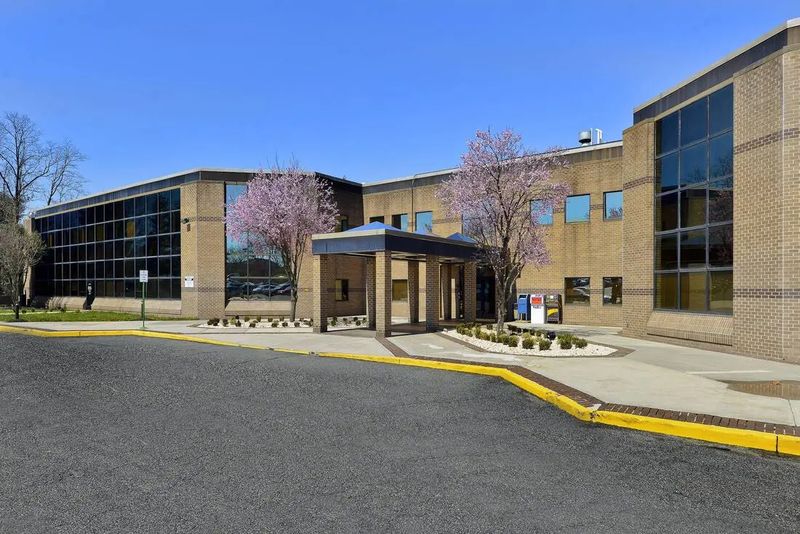
NJ office
Scotto Podiatry LLC
106 Apple Street, Suite 200A, 2nd Floor
Tinton Falls, NJ 07724
Tuesday, Friday, Saturday
Call to schedule
Same-day emergency appointments available. Most insurance plans accepted.