
NY office
Staten Island, NY
372 Manor Road, 1st Floor
Staten Island, NY 10314
Monday, Wednesday, Thursday
Joints and nerves
Bursitis is swelling of a bursa, a small fluid-filled sac that cushions tissues where they rub. Tendonitis is irritation of a tendon, the cord that connects muscle to bone. Both are common around the heel and ankle, and Dr. Scotto treats them at his offices in Staten Island and Tinton Falls, NJ.
Both problems usually start as a dull ache that slowly gets sharper with use. The exact spot of the pain is a strong clue to which tissue is involved, so pay attention to where it hurts.
Common signs include:
This bursa sits between the heel bone and the Achilles tendon. It can swell from repeated uphill walking or running, from stiff shoe backs that press on the heel, or from a bony bump on the back of the heel known as a Haglund's deformity. It often shows up with Achilles tendonitis, which has its own page. Other bursae in the foot, such as those under the ball of the foot or over a bunion, can swell from pressure as well.
The posterior tibial tendon runs down the inside of the ankle and helps support the arch. Strain on it is linked to flat feet, extra body weight, high blood pressure, diabetes and sports with quick changes of direction. If it keeps getting worse, the arch can flatten over time.
Two peroneal tendons wrap around the outside of the ankle and help keep it steady. They can become irritated in people with high arches, after repeated ankle sprains, or with running on sloped or uneven ground.
The extensor tendons run across the top of the foot and lift the toes. Tight laces, shoes that press on the top of the foot, or a big jump in walking or running can make them sore.
Across all types, the usual causes are overuse, a sudden change in training, poorly fitting footwear and foot shape that puts uneven stress on certain tissues.
If pain lasts more than a week or two, keeps returning, or is changing the way you walk, have it looked at. Tendon problems that are ignored can lead to weakness, a change in foot shape, or a tear. Some of these complaints also overlap with other causes of heel pain that need different care.
Call the office right away if:
See same-day podiatry appointments for urgent problems.
Dr. Scotto starts by asking about your activities, shoes and any recent change in routine. He then presses along each tendon and over the bursae to find the exact sore spot. He tests strength by having you push your foot against his hand in different directions, and he may ask you to rise up on your toes or walk so he can watch how the foot and ankle move.
X-rays are available in both offices. They can show a bony bump on the heel, a spur, a stress fracture or arthritis that might be adding to the pain.
Most bursitis and tendonitis is treated without surgery. The aim is to calm the inflammation, take strain off the tissue, and fix whatever caused the overload.
Healing takes time, and tendons in particular can be slow. Staying with the plan after the pain eases helps protect the tissue.
Dr. Scotto offers telehealth visits for patients in New York and New Jersey. Finding which tendon or bursa is involved depends on pressing on the area and testing strength, so the first visit takes place in the office.
FAQ
A bursa is a small cushion of fluid that lets tissues slide past each other. A tendon is a tough cord that links a muscle to a bone. Bursitis is swelling of the cushion, and tendonitis is irritation of the cord. They can happen side by side, especially at the back of the heel.
Not exactly. The retrocalcaneal bursa sits just in front of the Achilles tendon where it meets the heel bone. The two problems often appear together and feel alike, which is why an exam matters. Read more on the Achilles tendonitis page.
Ongoing strain on the posterior tibial tendon, which helps hold up the arch, can cause pain along the inner ankle. If the tendon weakens, the arch may slowly drop. This should be checked early, because support can help protect the tendon.
Yes. Laces tied too tight, or a stiff tongue pressing on the top of the foot, can irritate the extensor tendons that run across it. Loosening the laces or changing the lacing pattern often eases the pressure.
You may need to cut back for a while, but you usually do not have to stop all activity. Switching to cycling or swimming lets the tissue calm down while you stay fit. Returning slowly helps keep it from flaring again.
Keep reading
Where to find Dr. Scotto
NY office
372 Manor Road, 1st Floor
Staten Island, NY 10314
Monday, Wednesday, Thursday
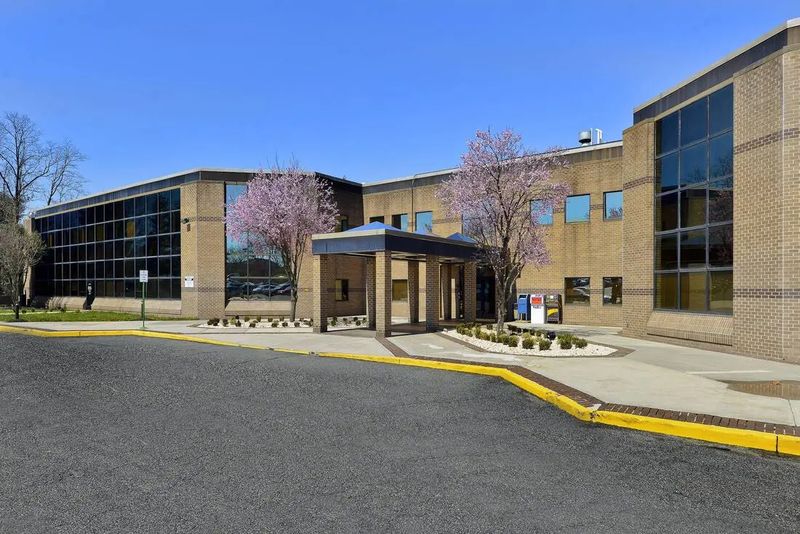
NJ office
Scotto Podiatry LLC
106 Apple Street, Suite 200A, 2nd Floor
Tinton Falls, NJ 07724
Tuesday, Friday, Saturday
Call to schedule
Same-day emergency appointments available. Most insurance plans accepted.