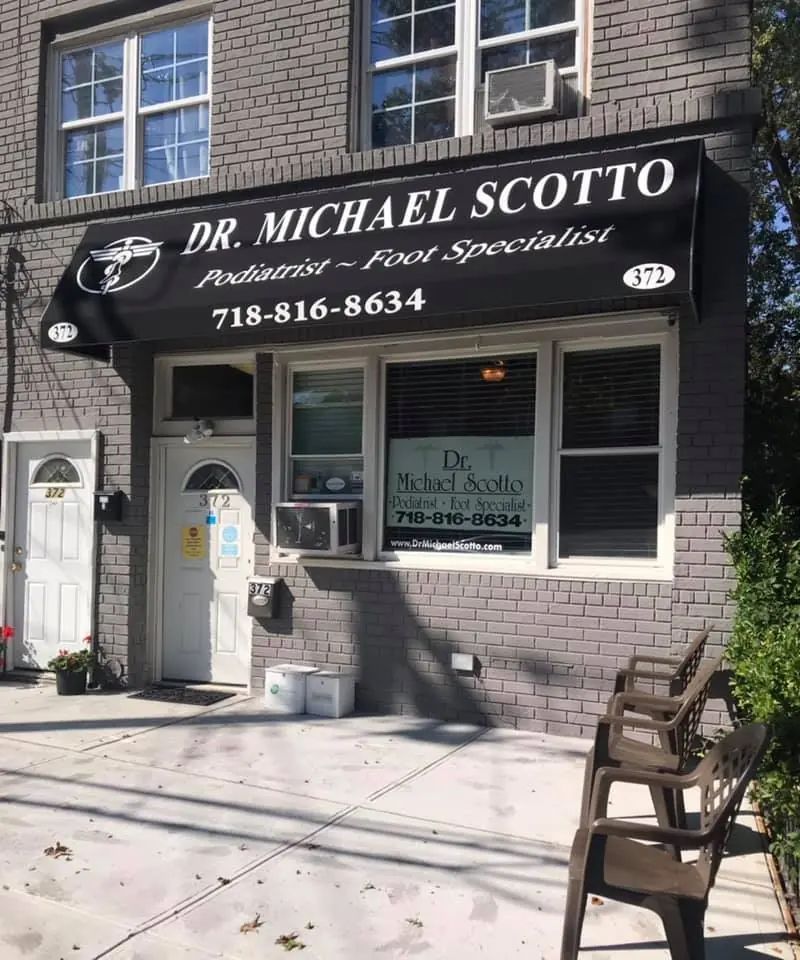
NY office
Staten Island, NY
372 Manor Road, 1st Floor
Staten Island, NY 10314
Monday, Wednesday, Thursday
Patient groups
Children's feet grow and change quickly, and many differences in how they look or walk are a normal part of growing up. Some problems, like heel pain in active kids or a painful ingrown toenail, do need care. Dr. Scotto treats infants, children and teens at his offices in Staten Island, NY and Tinton Falls, NJ.
The concerns parents bring in tend to change as children grow. Here is a general look at what often comes up at each stage.
Our article on what is normal for children's feet covers these early changes in more detail.
Kids do not always say when something hurts. Watch for limping, not wanting to join in games, or asking to be carried more than usual.
Call the office promptly if your child has:
For injuries that cannot wait, same-day emergency appointments are available.
Dr. Scotto starts by talking with you and your child about what you have noticed and when it started. He asks about sports, shoes and any family history of foot problems. Older kids are encouraged to describe the pain in their own words.
The exam is gentle. He looks at the feet while your child sits, stands and walks. He checks how far the joints move, where it is tender, and the shape of the arch. For babies, he may also look at the hips and legs, since they affect how the feet point.
When a bone injury or growth plate problem is possible, an x-ray can be taken at either office during the same visit. Many childhood foot concerns do not need one.
Many childhood foot differences need only watching over time. When care is needed, it usually starts simple.
Dr. Scotto offers telehealth visits for patients in New York and New Jersey. Watching a child walk, feeling the foot and sometimes taking an x-ray are key parts of the first exam, so new concerns are seen in the office.
FAQ
Children of any age can be seen, including babies. Parents often bring in infants for questions about foot shape, toddlers for walking concerns, and older kids for pain, nails, warts or sports injuries.
Usually not. Going barefoot indoors is fine for most young walkers. Outside, a light, flexible shoe that fits well and protects the foot is generally enough. Stiff or heavily built-up shoes are rarely needed for a healthy foot.
Many young children have flat-looking feet because the arch is still forming and there is extra soft padding in the foot. In many kids an arch appears with age. Flat feet that hurt, are stiff or affect only one side should be checked. See flat feet for more.
Heel pain in active kids between about 8 and 14 is often Sever's disease, an irritation of the growth area at the back of the heel. It usually settles with rest and changes to activity, but it should be examined to rule out other causes.
Warm soaks and roomy shoes may ease a mildly sore toe. Do not dig at the nail or cut a V into it. If the toe is red, swollen, draining or keeps coming back, have it looked at. Our ingrown toenail dos and don'ts has more tips.
Keep reading
Where to find Dr. Scotto
NY office
372 Manor Road, 1st Floor
Staten Island, NY 10314
Monday, Wednesday, Thursday
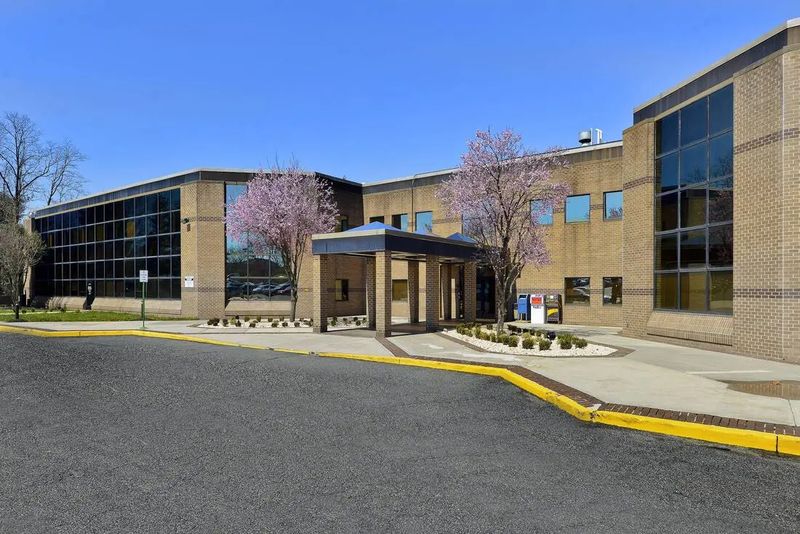
NJ office
Scotto Podiatry LLC
106 Apple Street, Suite 200A, 2nd Floor
Tinton Falls, NJ 07724
Tuesday, Friday, Saturday
Call to schedule
Same-day emergency appointments available. Most insurance plans accepted.