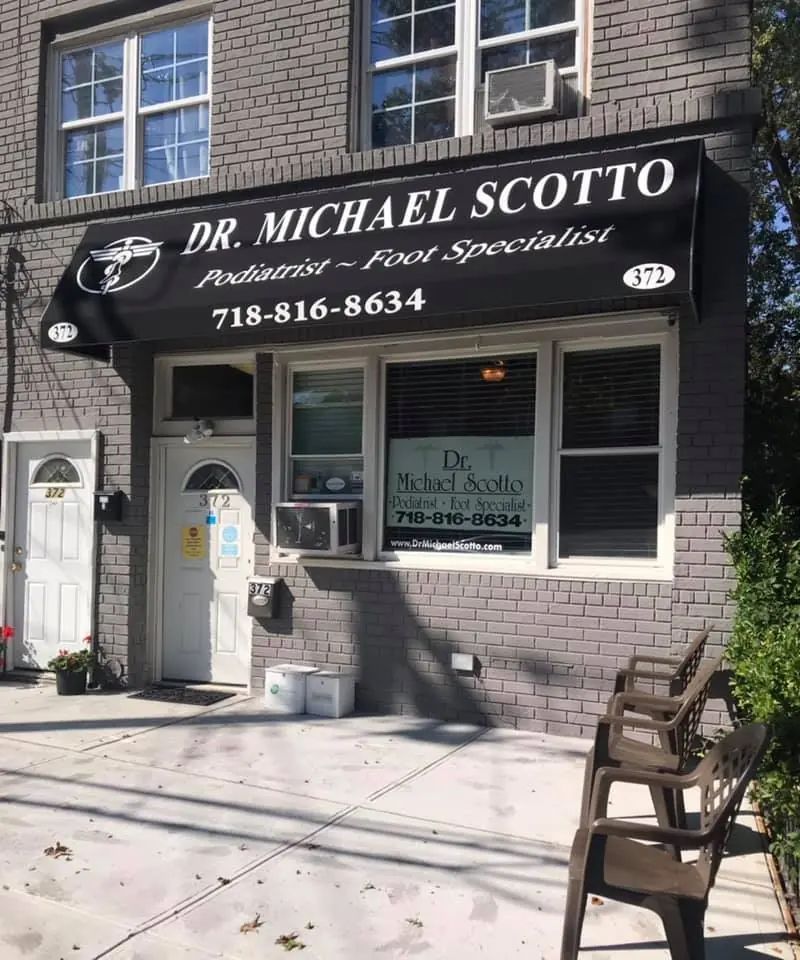
NY office
Staten Island, NY
372 Manor Road, 1st Floor
Staten Island, NY 10314
Monday, Wednesday, Thursday
Treatments
Foot surgery is an option for some problems that keep causing pain or trouble walking after other care has been tried. Dr. Scotto talks through whether it makes sense for you, and he sees patients at his offices in Staten Island, NY and Tinton Falls, NJ.
Foot surgery is a broad term. It covers procedures that straighten a crooked toe joint, realign bones, remove a painful bony bump, or repair damaged tissue. Each one is planned around a specific problem, so no two surgeries are quite the same.
Dr. Scotto performs surgery for common foot problems such as bunions and hammertoes. You can read more about those on the bunion surgery and hammertoe surgery pages.
Most foot pain is treated without an operation at the start. Conservative care means treatment that does not involve surgery. Depending on the problem, it can include roomier or more supportive shoes, custom orthotics, padding, rest from activities that make pain worse, and home stretches.
These steps help many people feel well enough that they never need more. They also help Dr. Scotto learn how your foot responds, which is useful if surgery is discussed later.
Surgery becomes part of the conversation when a problem keeps getting in the way of daily life. Common reasons include:
A crooked toe or a bump that does not hurt is usually not a reason for surgery on its own. The decision is yours, made with clear information about the likely benefits and the risks.
A good surgical decision starts with good questions. Consider asking Dr. Scotto:
Writing your questions down before the visit makes it easier to remember them. Bringing a family member or friend can help too.
Before surgery, Dr. Scotto reviews your health, your medicines and any allergies. You may need blood work, a check from your primary care doctor, or x-rays of the foot. Both offices have digital x-ray on premises, which helps with planning.
A few practical steps make the first days at home easier:
Healing after foot surgery takes time because the foot carries your weight every day. In the early period, rest and keeping the foot raised help control swelling. Many people wear a protective shoe or boot for a while. Some need crutches or a walker.
Dr. Scotto will see you for follow-up visits to check the incision, change dressings when needed and track how the bones and tissue are healing. As things improve, you slowly return to regular shoes and activities. Mild swelling can linger for several months.
Recovery timelines vary from person to person. The type of procedure, your overall health, and how closely the aftercare plan is followed all affect how quickly you heal.
Every surgery carries some risk. With foot surgery, the general risks include:
Dr. Scotto will go over the risks that apply to you. Call the office right away if you notice fever, spreading redness, drainage from the incision or pain that keeps getting worse after surgery.
Dr. Scotto offers telehealth visits for patients in New York and New Jersey. Deciding on surgery needs a hands-on exam, and follow-up after surgery usually means checking the incision in person.
FAQ
In most cases, yes. Many foot problems ease with changes in shoes, inserts, activity or other conservative care. Surgery is usually considered after those steps have been given a fair chance and have not helped enough.
That depends on the procedure and your health. Dr. Scotto will explain the type of anesthesia planned for you and answer your questions before the day of surgery.
It varies a great deal. Some people can bear weight in a special shoe or boot fairly soon, while others need to keep weight off the foot for a while. Dr. Scotto will tell you what is safe for your procedure, and timelines differ from person to person.
Sometimes. Surgery can correct the problem in the foot, but shoes, foot shape and activity still play a role. Following the aftercare plan and wearing suitable shoes afterward can lower that chance.
Dr. Scotto has hospital affiliations with Richmond University Medical Center and St. Peter's University Hospital. He will tell you where your procedure is planned when you schedule it.
Keep reading
Where to find Dr. Scotto
NY office
372 Manor Road, 1st Floor
Staten Island, NY 10314
Monday, Wednesday, Thursday

NJ office
Scotto Podiatry LLC
106 Apple Street, Suite 200A, 2nd Floor
Tinton Falls, NJ 07724
Tuesday, Friday, Saturday
Call to schedule
Same-day emergency appointments available. Most insurance plans accepted.