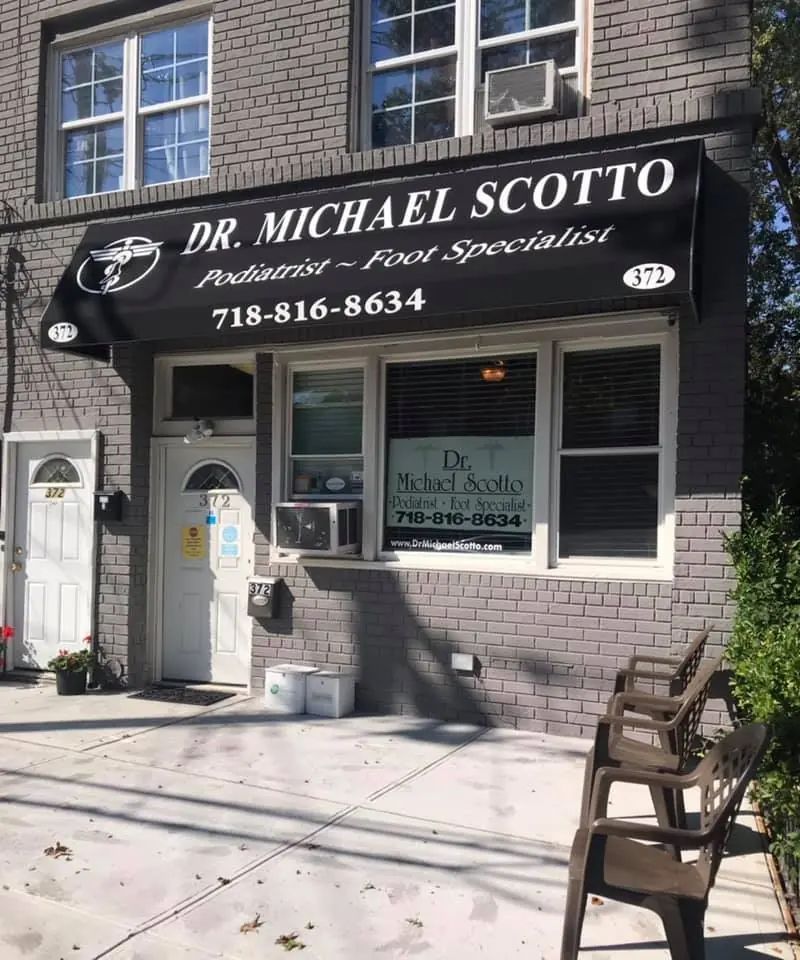
NY office
Staten Island, NY
372 Manor Road, 1st Floor
Staten Island, NY 10314
Monday, Wednesday, Thursday
Heel and arch
High arches, called cavus foot, means the arch rises higher than usual, so weight lands mostly on the heel and the ball of the foot. This can lead to pain, calluses and unstable ankles. Dr. Scotto evaluates and treats high arches at his offices in Staten Island, NY and Tinton Falls, NJ.
In a high-arched foot, the middle of the foot stays well off the ground. That leaves less surface to share the load, so the heel and the ball of the foot take more pressure with every step. The foot also tends to be stiffer and absorbs shock less well.
People with high arches may notice:
Some high arches are simply the way a person's foot is built, often running in families. In these cases the shape tends to stay the same over the years.
In other people, a high arch can be linked to a nerve or muscle condition. When certain muscles in the leg and foot are weaker than others, the uneven pull can raise the arch over time. Conditions affecting the nerves, the spine or the brain can sometimes do this. A high arch that develops or worsens, appears on only one side, or comes with weakness, numbness or balance trouble should be evaluated so the cause can be found.
A past injury, such as a badly healed fracture, or a clubfoot treated in childhood can also leave the arch higher than usual.
Because weight is spread over a smaller area, high arches are linked with plantar fasciitis, ball of foot pain, calluses and ankle instability. The stiffer foot can also make stress fractures more likely in some active people.
You do not need to see anyone just because your arches are high. A visit makes sense when your feet hurt often, you keep spraining your ankle, calluses keep coming back or your toes are starting to curl. It is also wise to be checked if you notice changes in the shape of the foot.
Seek care soon if you notice:
For an injury that needs attention right away, ask about same-day emergency appointments.
Dr. Scotto asks about your symptoms, any history of ankle sprains, and whether family members have a similar foot shape or a nerve or muscle condition. He looks at the foot standing and walking, checks how flexible the arch and heel are, tests muscle strength and feeling, and notes where calluses have formed. Callus patterns show where the most pressure falls.
Standing digital x-rays taken in the office show the shape of the arch and how the bones line up under load. They can also show arthritis or an old fracture.
Care focuses on spreading pressure more evenly, cushioning the foot and steadying the ankle. If an underlying condition is found, treating it is part of the plan as well.
Dr. Scotto offers telehealth visits for patients in New York and New Jersey. Assessing a high arch involves checking strength, feeling and flexibility by hand, along with standing x-rays, so the first visit is in the office.
FAQ
Not necessarily. Many people with high arches have no pain. It is still worth mentioning to a doctor if the arch seems to be getting higher, if you sprain your ankle often or if anyone in your family has a nerve or muscle condition.
A high arch often tilts the heel slightly inward, which makes it easier for the ankle to turn over on uneven ground. Repeated sprains can loosen the ankle further. See ankle sprains.
Shoes with plenty of cushioning, a roomy toe box and a sole that is not too narrow often feel better. Very stiff or flat shoes can increase pressure on the heel and ball of the foot. Our guide to choosing shoes for foot pain has more tips.
Yes. A high arch in a child, especially one that seems to be getting higher or is on one foot only, should be checked by a doctor so any underlying cause can be looked for. Learn about children's foot care.
Most people manage well with supportive shoes and inserts. Surgery is generally reserved for a stiff, painful foot or an unstable ankle that does not respond to other care.
Keep reading
Where to find Dr. Scotto
NY office
372 Manor Road, 1st Floor
Staten Island, NY 10314
Monday, Wednesday, Thursday
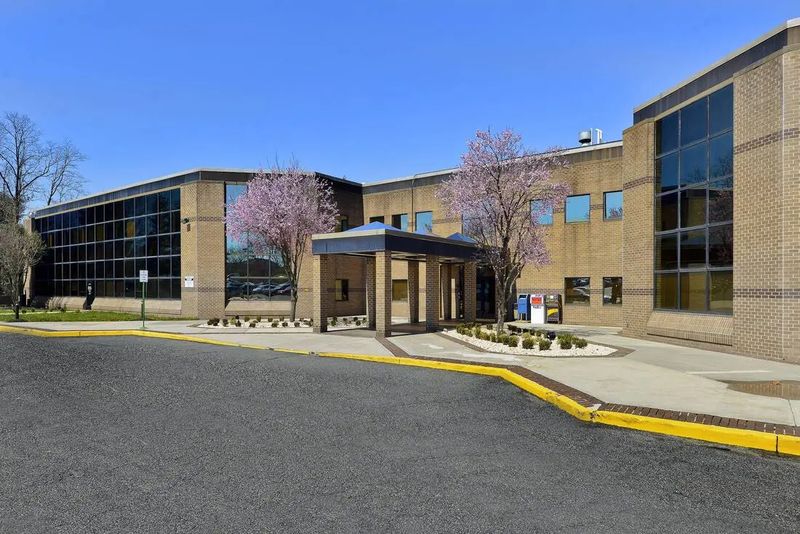
NJ office
Scotto Podiatry LLC
106 Apple Street, Suite 200A, 2nd Floor
Tinton Falls, NJ 07724
Tuesday, Friday, Saturday
Call to schedule
Same-day emergency appointments available. Most insurance plans accepted.