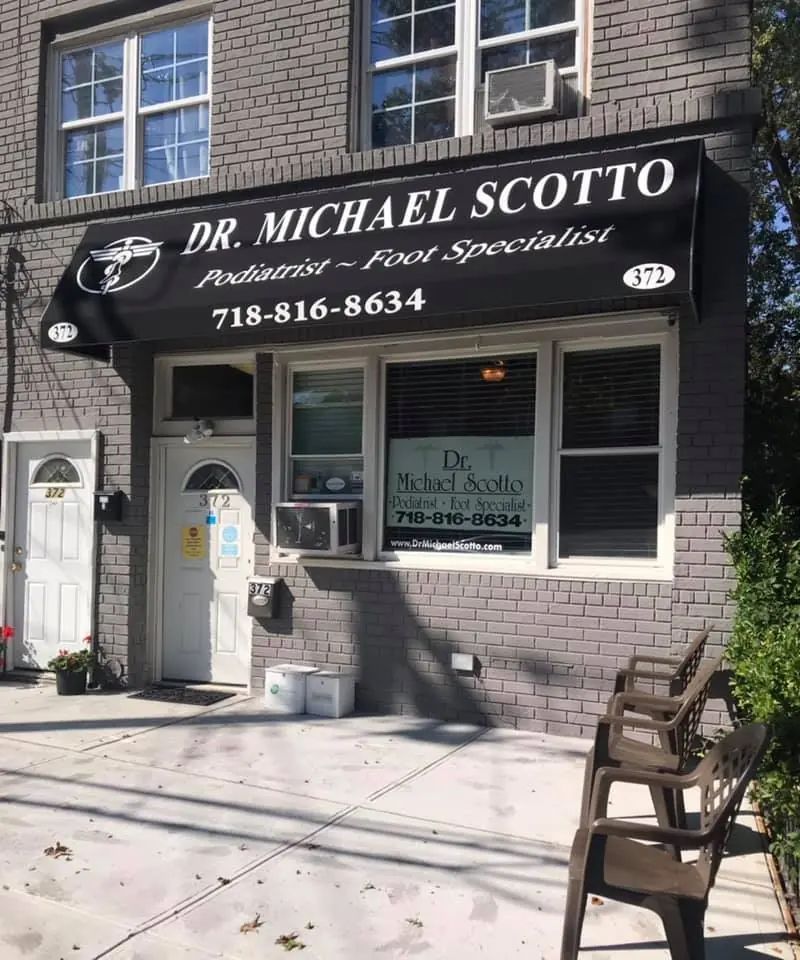
NY office
Staten Island, NY
372 Manor Road, 1st Floor
Staten Island, NY 10314
Monday, Wednesday, Thursday
Heel and arch
A heel spur is a small outgrowth of bone on the heel bone, usually underneath it or at the back. Many spurs cause no symptoms, but the strain that creates them can be painful. Dr. Scotto evaluates and treats heel spurs at his Staten Island, NY and Tinton Falls, NJ offices.
A spur is a deposit of calcium that builds up slowly into a hook or shelf of bone. On an x-ray it can look sharp, which leads many people to picture it stabbing into the foot. In reality, the shape of the spur often has little to do with how much it hurts.
When a spur is part of a painful heel, people tend to describe:
Plenty of people have a spur and never feel a thing. It is often found by chance on an x-ray taken for another reason.
Heel spurs develop over months or years where soft tissue tugs on the bone. On the bottom of the heel, that pull comes from the plantar fascia and the small muscles of the sole. At the back of the heel, it comes from the Achilles tendon. The body responds to the constant tension by laying down extra bone.
Because of this, spurs often travel with other problems. Many people with a spur under the heel also have plantar fasciitis, and that tissue irritation is usually the true source of the pain. A spur at the back of the heel is often linked to Achilles tendon strain.
Factors that make spurs more likely include:
If heel pain has lasted a couple of weeks or keeps flaring up, an exam can confirm what is causing it. Pain that seems like a spur can also come from a stress fracture or an irritated nerve, and those need different care. The heel pain page outlines the most common causes.
Get seen promptly if:
Urgent foot problems can often be seen through same-day appointments.
A spur can only be seen on imaging, but finding one does not end the search. Dr. Scotto first talks with you about your pain and daily routine, then examines the heel, arch and Achilles tendon to see which tissues are tender and tight. He also checks how your foot lines up when you stand.
A digital x-ray taken in the office shows whether a spur is present, how large it is and where it sits. It can also reveal a stress fracture or arthritis. Putting the x-ray and the exam together helps Dr. Scotto decide whether the spur matters for your pain.
Treatment aims at the strain and irritation around the spur, not the bone itself. Non-surgical care comes first and is often enough. Healing takes time, and the right plan depends on what the exam shows.
Removing a heel spur is rarely needed. Surgery may come up when pain continues for a long time despite steady conservative care.
Dr. Scotto offers telehealth visits for patients in New York and New Jersey. A spur can only be confirmed with an x-ray, and the heel needs to be examined in person, so the first visit is done at the office.
FAQ
Usually not. Because the pain often comes from irritated tissue rather than the spur itself, many people feel better with non-surgical care while the spur stays in place.
The bone itself does not shrink or dissolve. What can change is the irritation around it. When that settles down, the spur may stop causing any trouble.
Spurs are common and often show up in both feet, even in people with pain on only one side. That is why Dr. Scotto looks at your symptoms and exam, not just the image.
It might be. A bony bump at the back of the heel can sit where the Achilles tendon attaches. It can also be a swollen bursa or a thickened tendon. An exam, and sometimes an x-ray, tells them apart. See Achilles tendonitis for more on that area.
Shoes with a cushioned heel and good arch support often reduce pressure and pulling on the area. Some people also do well with custom orthotics. Going barefoot on hard floors tends to make things worse.
Keep reading
Where to find Dr. Scotto
NY office
372 Manor Road, 1st Floor
Staten Island, NY 10314
Monday, Wednesday, Thursday
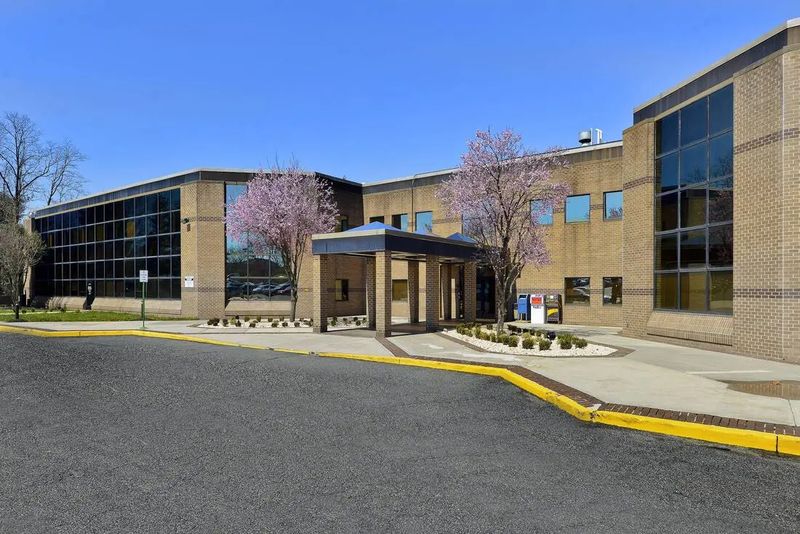
NJ office
Scotto Podiatry LLC
106 Apple Street, Suite 200A, 2nd Floor
Tinton Falls, NJ 07724
Tuesday, Friday, Saturday
Call to schedule
Same-day emergency appointments available. Most insurance plans accepted.